
Miami Sailing School has released a structured seasonal maintenance guide designed to help Miami boat owners manage sailboat upkeep and protect vessels in South Florida’s marine environment.
Miami, Florida, United States, 6th Mar 2026 — Miami Sailing School has announced the release of a new educational resource designed to help boat owners better understand the seasonal maintenance requirements of sailboats operating in South Florida waters. The publication, titled Maintaining Your Sailboat Seasonal Maintenance Tips, provides a structured overview of the tasks and inspections recommended throughout the year to help vessels remain safe, efficient, and protected from environmental wear. The guide reflects the growing demand for practical boating education in Miami, where year round sailing conditions require consistent attention to vessel care and system maintenance.
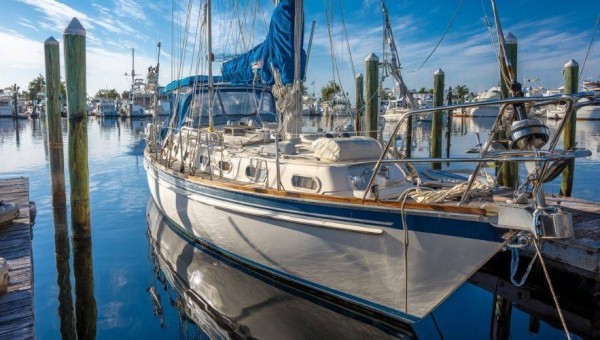
Seasonal Maintenance Strategy Designed for South Florida Conditions
The newly released guide presents a season by season approach that aligns sailboat maintenance tasks with Miami’s unique weather patterns and boating activity cycles. Spring is identified as the period when many boat owners prepare vessels for increased sailing activity, making it an important time for hull inspections, rigging checks, safety equipment reviews, and antifouling preparation. During the summer months, when intense sunlight and humidity place additional stress on marine equipment, the guide outlines preventative measures including freshwater rinsing routines, ventilation management, shading systems, and engine cooling inspections.
As the fall season approaches and tropical weather patterns increase, the guide encourages boat owners to strengthen storm readiness by inspecting electrical systems, evaluating mooring equipment, and replacing fuel filters as part of seasonal preparation. Winter months in Miami, although mild compared with northern boating regions, are presented as an opportunity to perform deeper maintenance tasks including winch servicing, sail repairs, and system overhauls that may be more difficult during peak sailing periods.
Addressing Environmental Wear from Heat Humidity and Saltwater
The resource highlights how Miami’s marine environment creates ongoing challenges for vessel owners. Continuous exposure to ultraviolet radiation, saltwater residue, and elevated moisture levels can accelerate corrosion and material degradation across sails, rigging, metal hardware, and structural components. Miami Sailing School explains that consistent freshwater rinsing, protective covers, proper ventilation, and frequent visual inspections play a critical role in preventing long term damage.
The guide emphasizes that warm climate sailing environments require more proactive maintenance schedules than many boat owners initially expect. By understanding how environmental factors affect vessels over time, sailors are better equipped to identify early warning signs of deterioration and address issues before they lead to costly repairs or operational hazards.
Integration of Professional Training and Established Sailing Standards
Miami Sailing School developed the guide with reference to recognized sailing organizations including the American Sailing Association, World Sailing, and US Sailing. These organizations provide widely accepted safety and seamanship standards that reinforce the importance of maintaining critical onboard systems such as rigging, propulsion, electrical equipment, and safety gear. The guide demonstrates how established sailing education frameworks can support local training programs and help boat owners apply best practices directly to real world maintenance routines.
Through this integration of recognized standards and hands on instruction, Miami Sailing School continues to strengthen its role as a regional educational resource for sailors seeking both technical knowledge and practical boating skills.
Consistent Upkeep Remains a Core Principle of Seamanship
The publication also outlines a set of maintenance habits that should be performed consistently regardless of season. Regular rinsing of deck hardware and rigging after sailing, maintaining clean bilges, inspecting lines and fenders, monitoring navigation lights, and properly storing sails and canvas are presented as essential tasks that reduce long term deterioration. Miami Sailing School explains that these routine practices form the foundation of responsible boat ownership and contribute directly to safer sailing conditions.
By incorporating these ongoing checks into normal boating routines, vessel owners can improve reliability and ensure their sailboats remain ready for safe operation throughout the year.
Ongoing Commitment to Boater Education in Miami
The release of this seasonal maintenance guide reflects Miami Sailing School’s continued commitment to expanding educational resources for the local boating community. The school provides hands on sailing instruction, safety training, and seamanship education designed to help both new and experienced sailors navigate the responsibilities of boat ownership with greater confidence.
Through detailed training programs and practical instructional materials, Miami Sailing School continues to promote a culture of preparation and responsible vessel care. The new guide reinforces the organization’s broader mission of helping sailors develop the knowledge and habits required to maintain their boats, improve safety on the water, and support a thriving sailing community across the Miami region.
Media Contact
Organization: Miami Sailing School
Contact Person: Russ Beyer
Website: https://miamisailing.com/
Email: Send Email
City: miami
State: florida
Country:United States
Release id:42256
The post Miami Sailing School Releases Seasonal Boat Care Guide for Miami Boat Owners appeared first on King Newswire. This content is provided by a third-party source.. King Newswire makes no warranties or representations in connection with it. King Newswire is a press release distribution agency and does not endorse or verify the claims made in this release. If you have any complaints or copyright concerns related to this article, please contact the company listed in the ‘Media Contact’ section
Disclaimer: The views, suggestions, and opinions expressed here are the sole responsibility of the experts. No Just Examiner journalist was involved in the writing and production of this article.
